
Blog

Eye health
Wellness

Protect Your Eyes From Strain and Disease

Extended screen time, dry indoor air, and UV exposure can strain vision over time. Ophthalmologists recommend the 20-20-20 rule, scheduled breaks, and annual dilated exams for adults over forty. Children benefit from outdoor play, limited recreational screen use, and protective eyewear during sports.

Discuss sudden floaters, flashing lights, or vision loss immediately—these may signal retinal detachment or other urgent conditions treatable when caught early.

Neurology
Neurology

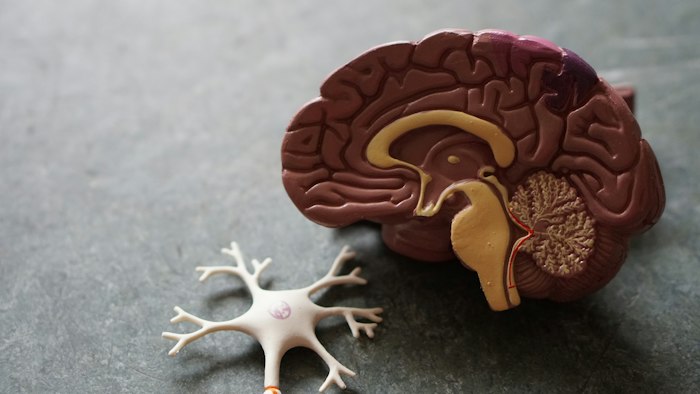
Brain Health: Myths vs. Medical Facts

Contrary to popular belief, occasional forgetfulness is not always dementia. Neurologists evaluate sleep quality, medication interactions, thyroid function, and mood disorders before diagnosing cognitive decline. Brain injuries from falls or contact sports require structured follow-up even when initial scans appear normal.

Lifestyle habits—regular exercise, social engagement, blood pressure control, and heart-healthy nutrition—support neural resilience throughout life.

Heart health
Cardiology

Heart-Healthy Habits That Actually Fit Busy Schedules

Cardiologists emphasize manageable changes: cooking with less sodium, walking after meals, and tracking blood pressure at home. Know your cholesterol numbers and family history, and speak with your doctor before starting intense exercise if you have chest pain or shortness of breath.

Pediatric care
Pediatrics

Back-to-School Wellness Checklist for Families

Schedule vision and hearing screenings, update immunizations, and pack balanced lunches with hydration in mind. Teach hand hygiene and discuss emotional wellbeing as children adjust to new classrooms and routines.